If you are reading this blog then it probably means you are at least somewhat interested in protecting the planet and making a difference in the world. This is a good thing! The biggest detriment to our planet right now is people not caring and by consequence not minding their actions or actively trying to make a change.
Where apathy is harmful, however, so is being uninformed or ignorant. If there is one industry that is doing an incredible job of exploiting the good intentions of people, it’s the Voluntourism industry.
Voluntourism is Big Business: Not Charity Work
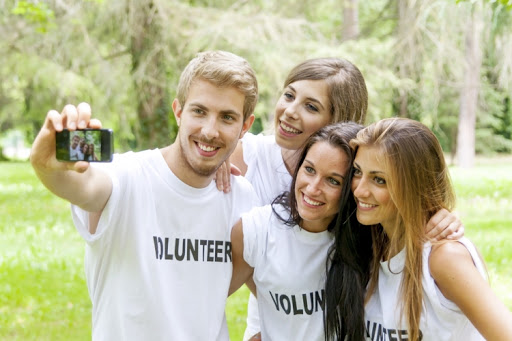
Picture Source
To be honest, I completely get it. Travelling while helping to make the country you are visiting a better place sounds incredible! Unfortunately, voluntourism is exactly what I mentioned above: an industry.
It’s a multi-billion dollar business where the majority of companies involved have the primary goal of making money. For the volunteers, there is often a lack of transparency and they are not delivered what they were promised.
For the destinations themselves, the outlook is even worse. We’re talking about:
- Human trafficking
- Animal abuse and exploitation
- Exploitation and abuse of children
If that isn’t bad enough, often these short-term volunteer missions don’t help the people, animals, and communities they intended to at all. Often, they can hurt them.
Voluntourism Companies are Out of Touch
These third-party voluntourism companies that people use to book volunteering trips often are out of touch with their host destinations and partners and haven’t actually done the due-diligence necessary to ensure these organizations are not corrupt. They also often support industries that should truly not be supported.
In this interview with The Voluntourist Claire Bennet, co-author of Learning Service: The Essential Guide to Volunteering Abroad explains some of the dangers of the voluntourism industry and what you need to look out for before booking a trip.
Volunteer Travel: My Tips
All this probably has you wondering: Is it actually possible to travel and volunteer in a way that does benefit everyone involved? In short, yes. Here are some tips I have if you want your next trip to be more than just sight-seeing:
- Travel using Workaway or Woofing. These are sites that are free to use and that set you up with local families and business owners. The deal is you go and work for them for 4 to 5 hours a day in exchange for food and accommodation. Not only is this a super cheap way for you to travel, but you also get to meet locals, learn about their daily lives, and end up seeing places and doing things most tourists never do.
- Never sign up for a volunteer position that you are not qualified for in your home country. Not qualified to take care of disadvantaged children or build houses at home? Then you aren’t qualified somewhere else. Any organization that accepts volunteers for positions like that with no real qualifications should be second-guessed.
- Look up local organizations before you go, such as a local dog shelter, beach clean-up, or soup kitchen and reach out to them personally. Perhaps you can take an afternoon or two out of your trip to go and offer your time.
- Steer clear of orphanages: In many countries, this has become an industry of its own. Disadvantaged children should never become a tourist attraction, used to make money, or to spread religious or political messages.
- If you do have specialized skills and education, look for organizations that are specific to those areas, such as: Engineers Without Borders, Doctors Without Borders (opportunities for nurses as well), and Veterinarians Without Borders.
As Bennet mentions in both the interview and her book, approach traveling with the purpose of learning. Use your travels to learn more about the people and the world, and take those learnings home with you to make informed decisions in your everyday life. You know what is better than volunteering at a school in rural Costa Rica? Buying ethically sourced and organically grown Costa Rican coffee beans. What’s better than going to a village in West Africa to “help” build a well? Donating to an organization that employs citizens of that place who have the actual skills to build their own wells. Now you’ve provided employment and clean drinking water to those who need it.
Start in your Hometown
The best way to make sure your time spent volunteering has an actual positive impact is by looking for opportunities in your own home town. Look for waterfront clean-ups, volunteer to serve lunch at a shelter, or become a volunteer dog-walker at an animal shelter.
Big Takeaways
Remember this: You can’t solve systemic, long-term problems with short-term solutions. We are lucky that we have the ability to travel. Use that opportunity to learn about a new place, understand better how the world works, and then do your research to best help the places that you visit.
Happy travels!
 The Ethical Traveler